Cataract Symptoms in Solapur: Blurred Vision, Glare or Poor Night Vision? When Should You See an Eye Specialist?
Table of Contents
Blurred vision, difficulty seeing at night, glare from headlights, or colours appearing duller than before may seem like a normal part of ageing. However, these changes could be early signs of a cataract, one of the most common causes of vision impairment.
If you are searching for cataract symptoms in Solapur, recognizing these warning signs early can help you seek timely medical evaluation. Cataracts usually develop gradually, so many people do not notice the changes until their vision starts affecting reading, driving, working, or other daily activities.
In the early stages, updated glasses, improved lighting, and anti-glare measures may temporarily improve vision. However, when cataracts begin to interfere with everyday life, an eye specialist may recommend cataract treatment in Solapur, including cataract surgery when appropriate.
Patients from Solapur and nearby areas such as Akkalkot, Pandharpur, Barshi, Mohol, Sangola, Mangalwedha, Tuljapur, Osmanabad, Kalaburagi, and Vijayapura should consider an eye examination if they notice gradually worsening vision.
This guide explains cataract symptoms, causes, risk factors, diagnosis, treatment options, and when you should seek urgent medical care.
What Is a Cataract?
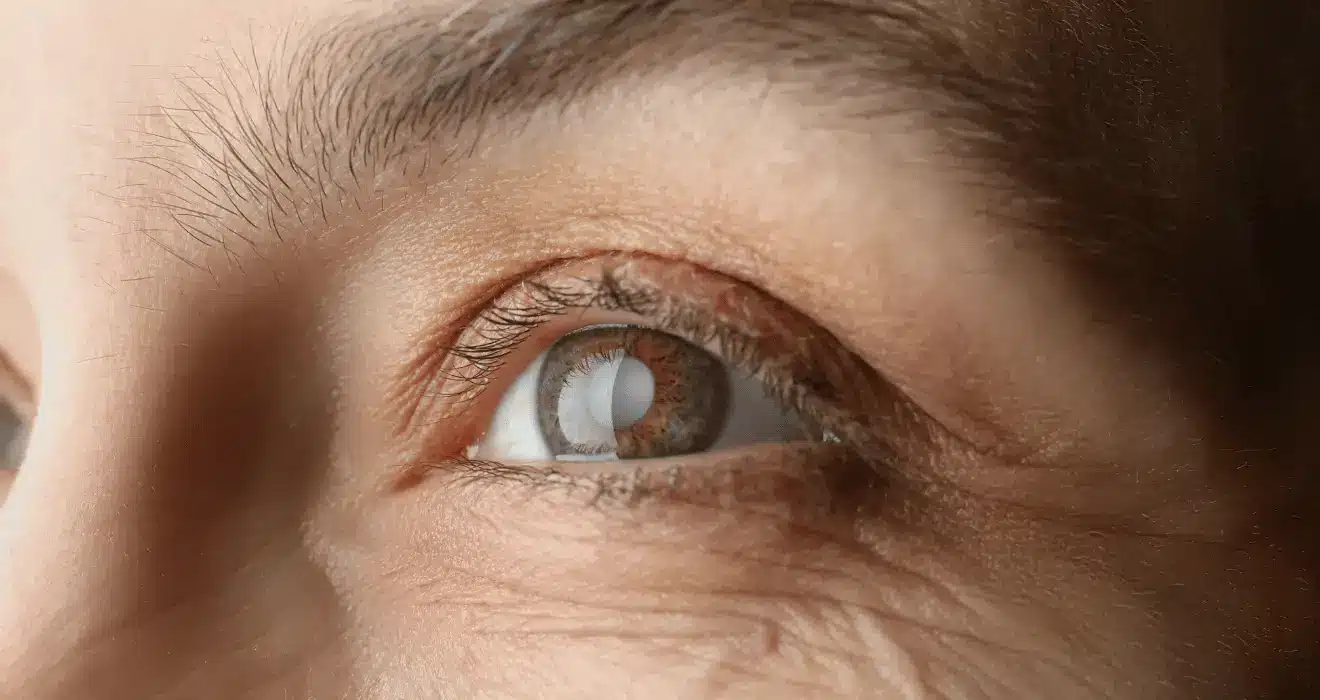
A cataract is the clouding of the eye’s natural lens. The lens normally focuses light onto the retina, allowing you to see clearly. As the lens becomes cloudy, light cannot pass through properly, causing vision to become blurred or hazy.
People with cataracts may notice:
- Blurred or cloudy vision
- Reduced sharpness
- Difficulty seeing at night
- Increased glare from lights
- Faded or yellowish colours
Since cataracts usually develop slowly, many people adapt to the changes without realizing how much their vision has deteriorated. Regular eye examinations are especially important for older adults and individuals with risk factors.
Common Cataract Symptoms
The symptoms of cataracts can vary from person to person. Some experience only mild changes at first, while others gradually develop significant vision problems.
1. Blurred or Cloudy Vision
Gradually worsening blurred vision is the most common symptom of cataracts.
You may notice:
- Difficulty reading
- Faces appearing less clear
- Television images looking hazy
- Fine details becoming difficult to see
If your vision continues to worsen despite wearing the correct glasses, schedule a comprehensive eye examination.
2. Difficulty Seeing at Night
Night vision often becomes worse as cataracts develop.
You may find it difficult to:
- Drive after sunset
- Walk in dimly lit areas
- Read in low light
- Recognize objects at night
Poor night vision can increase the risk of falls and make driving less safe.
3. Increased Glare
Many people with cataracts become more sensitive to bright lights.
Common complaints include:
- Glare from vehicle headlights
- Difficulty facing bright sunlight
- Discomfort under strong indoor lighting
- Bright lights appearing unusually intense
Glare while driving at night is often one of the earliest symptoms patients notice.
4. Halos Around Lights
Some people see bright rings or halos around lights, especially during the evening.
Although cataracts can cause halos, they may also occur due to other eye conditions. An eye specialist can determine the exact cause through a detailed examination.
5. Faded Colours
As cataracts progress, colours may lose their brightness.
You may notice:
- White objects appearing yellowish
- Bright colours looking dull
- Reduced colour contrast
Because these changes occur gradually, they often go unnoticed until they become significant.
6. Frequent Changes in Glasses Prescription
If your glasses seem to stop working after only a short period, cataracts may be responsible.
Although stronger glasses may temporarily improve vision, they cannot remove the cloudy lens.
7. Difficulty Reading or Recognizing Faces
Many patients require brighter lighting, larger print, or frequent breaks while reading.
Some also notice increasing difficulty recognizing faces or watching television clearly.
Is Blurred Vision Always a Cataract?
No.
Blurred vision can occur due to many different eye conditions, including:
- Cataracts
- Refractive errors (power changes)
- Dry eye disease
- Glaucoma
- Diabetic eye disease
- Retinal disorders
- Eye infections
Because the treatment depends on the underlying cause, self-diagnosis should be avoided. A comprehensive eye examination is the safest way to identify the problem.
What Causes Cataracts?
The most common cause of cataracts is ageing. Over time, the proteins within the natural lens begin to change, causing it to gradually lose its transparency.
Other factors that may increase the risk include:
- Diabetes
- Smoking
- Long-term corticosteroid use
- Previous eye injury
- Previous eye surgery
- Excessive ultraviolet (UV) exposure
- Certain inherited conditions
Having one or more of these risk factors does not necessarily mean you will develop cataracts, but it may increase your chances.
Who Is at Higher Risk?
Some people are more likely to develop cataracts than others.
Older Adults
Age remains the strongest risk factor, with cataracts becoming increasingly common after the age of 60.
People With Diabetes
Diabetes increases the risk of cataracts as well as several other eye diseases.
Patients managing diabetes or other chronic conditions can explore General Medicine & Lifestyle Diseases services at Yashodhara Super Speciality Hospital:
Smokers
Smoking is associated with an increased risk of cataracts and several other health conditions.
Previous Eye Injury
Trauma to the eye can sometimes lead to cataract formation, even years after the injury.
Long-Term Medication Use
Certain medications, particularly corticosteroids, may increase cataract risk when used for prolonged periods.
Always consult your doctor before making changes to prescribed medicines.
Excessive Sun Exposure
Long-term exposure to ultraviolet rays may contribute to cataract development.
Using UV-protective sunglasses and avoiding excessive sun exposure may help support overall eye health.
Can Cataracts Be Prevented?
Although ageing-related cataracts cannot always be prevented, healthy lifestyle habits may help protect overall eye health.
Some useful measures include:
- Wearing UV-protective sunglasses outdoors
- Controlling diabetes effectively
- Avoiding smoking
- Eating a balanced diet rich in fruits and vegetables
- Scheduling regular eye examinations
For personalized dietary guidance, patients may explore Nutrition & Preventive Health services:
When Should You See an Eye Specialist?
Arrange an eye examination if you notice:
- Gradually worsening blurred vision
- Difficulty seeing at night
- Increased glare from headlights
- Halos around lights
- Faded colours
- Frequent changes in glasses prescription
- Difficulty reading or recognizing faces
- Vision problems affecting work or driving
Early evaluation helps determine whether cataracts are responsible or whether another eye condition requires treatment.
Do not wait until your vision becomes severely impaired. Early diagnosis often provides more treatment options and helps preserve your independence and quality of life.
How Are Cataracts Diagnosed?
A cataract is diagnosed through a comprehensive eye examination performed by an ophthalmologist. During the consultation, the doctor will assess your vision, examine the lens, and check for other eye conditions that may be affecting your eyesight.
Your eye examination may include:
- Visual acuity (vision) testing
- Refraction (glasses prescription) assessment
- Slit-lamp examination of the eye
- Eye pressure measurement
- Retinal examination after pupil dilation
- Additional tests if clinically required
Since blurred vision is not always caused by cataracts, your ophthalmologist will also evaluate for conditions such as glaucoma, diabetic eye disease, or retinal disorders.
Cataract Treatment in Solapur
The most appropriate cataract treatment in Solapur depends on how much the cataract affects your vision and daily activities.
1. Updated Glasses
In the early stages, a change in your glasses prescription may temporarily improve vision. However, glasses cannot remove the cloudy lens.
2. Better Lighting
Using brighter lighting, magnifying aids, and reducing glare may help improve reading and other daily tasks when cataracts are mild.
3. Regular Monitoring
If the cataract is small and not significantly affecting your quality of life, your eye specialist may recommend periodic follow-up examinations to monitor its progression.
4. Cataract Surgery
When cataracts begin interfering with reading, driving, work, or other daily activities, surgery is generally the most effective treatment.
The decision is based on your symptoms, vision, lifestyle, and overall eye health—not simply on how “mature” the cataract appears.
When Is Cataract Surgery Recommended?
Your ophthalmologist may recommend cataract surgery in Solapur if the cataract significantly affects:
- Reading books or newspapers
- Driving, especially at night
- Watching television
- Using a mobile phone or computer
- Recognizing faces
- Walking safely
- Household activities
- Professional work
There is no fixed age or stage when surgery becomes necessary. The decision is personalized after a complete eye examination and discussion with your eye specialist.
What Is Cataract Surgery?
Cataract surgery is a procedure that removes the cloudy natural lens of the eye and replaces it with a clear artificial intraocular lens (IOL).
The goal of surgery is to restore clearer vision that has been affected by the cataract.
Modern cataract surgery is commonly performed using small-incision techniques. Before surgery, your ophthalmologist will discuss:
- Whether surgery is appropriate
- The type of intraocular lens (IOL)
- Expected visual outcomes
- Possible risks and benefits
- Recovery timeline
What Happens Before Cataract Surgery?
Before surgery, your ophthalmologist will perform detailed assessments to plan the procedure safely.
Pre-operative evaluation may include:
- Comprehensive eye examination
- Vision measurement
- Eye pressure testing
- Retinal evaluation
- Eye measurements for lens selection
- Medical history review
- Medication assessment
Patients with diabetes, hypertension, or other chronic illnesses may require additional medical evaluation before surgery.
If you have diabetes or lifestyle-related conditions, Yashodhara Super Speciality Hospital’s General Medicine & Lifestyle Diseases department can help optimize your health before surgery.
Is Cataract Surgery Safe?
Cataract surgery is one of the most commonly performed eye procedures worldwide. While it has a high success rate, like any surgery, it carries potential risks.
Possible complications may include:
- Infection
- Bleeding
- Eye inflammation
- Temporary increase in eye pressure
- Retinal complications
- Swelling
- Lens-related issues
- Need for additional treatment
A detailed pre-operative examination helps your ophthalmologist identify and reduce these risks as much as possible.
Recovery After Cataract Surgery
Recovery varies from person to person, but most patients notice gradual improvement in vision as the eye heals.
Your doctor may advise you to:
- Use prescribed eye drops regularly
- Avoid rubbing the operated eye
- Wear protective eye shields if recommended
- Attend scheduled follow-up appointments
- Avoid heavy lifting or strenuous activities until advised
- Keep the eye clean and protected
Always follow your ophthalmologist’s instructions to support proper healing and achieve the best possible outcome.
When Should You Seek Immediate Medical Attention?
Unlike cataracts, sudden vision loss is a medical emergency.
Seek urgent medical care if you experience:
- Sudden loss of vision
- Sudden severe blurring
- Severe eye pain
- Sudden flashes of light
- A sudden increase in floaters
- A curtain-like shadow across your vision
- Vision changes with weakness, facial drooping, or difficulty speaking
These symptoms may indicate retinal detachment, stroke, or another serious eye or neurological condition.
Patients requiring emergency care can visit Emergency & Trauma Care at Yashodhara Super Speciality Hospital:
You can also read:
When to Visit the Emergency Room
Can Cataracts Return After Surgery?
A cataract does not grow back once the cloudy natural lens has been removed.
However, some patients may later develop posterior capsule opacification (PCO), which causes vision to become cloudy again. This is not a new cataract and can often be treated effectively by an ophthalmologist.
If your vision becomes blurry again after surgery, schedule a follow-up eye examination.
Cataracts and Diabetes
People living with diabetes have a higher risk of developing cataracts as well as diabetic eye disease.
Blurred vision in a person with diabetes should never be assumed to be caused only by cataracts. A complete eye examination is essential to identify the underlying cause and recommend appropriate treatment.
Managing diabetes effectively is an important part of protecting long-term eye health.
Why Early Eye Evaluation Matters
Many people believe blurred vision is simply a normal part of ageing, but this is not always true.
Vision problems may result from:
- Cataracts
- Glaucoma
- Diabetic eye disease
- Retinal disorders
- Refractive errors
- Other eye conditions
An early eye examination allows your ophthalmologist to determine the exact cause and recommend the most appropriate treatment.
Patients from Solapur and nearby areas including Akkalkot, Pandharpur, Barshi, Mohol, Sangola, Mangalwedha, Tuljapur, Osmanabad, Kalaburagi, and Vijayapura should seek timely evaluation if they notice persistent changes in vision.
Why Choose Yashodhara Super Speciality Hospital?
Cataract care often requires more than just surgery. Patients may benefit from coordinated medical support before, during, and after treatment.
Yashodhara Super Speciality Hospital offers access to multiple specialties under one roof, including:
- General Medicine & Lifestyle Diseases – For diabetes, blood pressure, and chronic disease management before surgery.
- Radiology & Diagnostics – For investigations when clinically indicated.
- Nutrition & Preventive Health – For healthy lifestyle and dietary guidance.
- Emergency & Trauma Care – For urgent eye or medical emergencies.
Treatment decisions should always be made after a detailed examination by a qualified ophthalmologist.
Conclusion
Cataracts are a common cause of gradually worsening vision, particularly in older adults. Symptoms such as blurred vision, glare from headlights, poor night vision, faded colours, and frequent changes in glasses prescription should not be ignored.
If you are experiencing cataract symptoms in Solapur, an eye examination can determine whether cataracts are responsible or whether another eye condition requires treatment.
Many patients benefit from updated glasses or regular monitoring in the early stages, while others may require cataract surgery in Solapur when vision begins to interfere with daily life.
Remember, sudden vision loss is not a typical symptom of cataracts. If you experience sudden blindness, severe eye pain, flashes of light, a curtain-like shadow, or vision changes associated with weakness or speech difficulty, seek emergency medical care immediately.
Early diagnosis and timely treatment can help protect your vision, maintain independence, and improve your quality of life.
FAQs
1. What are the early symptoms of cataracts?
Ans: Early symptoms include blurred vision, glare from bright lights, poor night vision, faded colours, halos around lights, and frequent changes in glasses prescription.
2. Is blurred vision always caused by cataracts?
Ans: No. Blurred vision may also result from refractive errors, glaucoma, diabetic eye disease, retinal disorders, dry eyes, or other eye conditions. A comprehensive eye examination is essential.
3. When should I see an eye specialist?
Ans: You should consult an ophthalmologist if you notice gradually worsening vision, increasing glare, difficulty driving at night, or vision problems affecting your daily activities.
4. Can cataracts be treated without surgery?
Ans: In the early stages, updated glasses, improved lighting, and regular monitoring may help. Surgery is generally recommended when cataracts significantly affect vision and quality of life.
5. Is cataract surgery safe?
Ans: Cataract surgery is commonly performed and has a high success rate. Your ophthalmologist will explain the potential benefits and risks based on your individual eye health.